Preparing for spine and joint replacement surgeries involves more than selecting a hospital date. Patients need to understand the diagnosis, expected benefit, medical preparation, rehabilitation requirements, and practical changes that may be necessary during recovery.
A readiness checklist can make the process easier to manage.
Confirm the Diagnosis
Before proceeding, you should understand exactly what condition is being treated.
Ask the surgeon to explain the diagnosis in straightforward language and show how clinical findings or imaging relate to your symptoms.
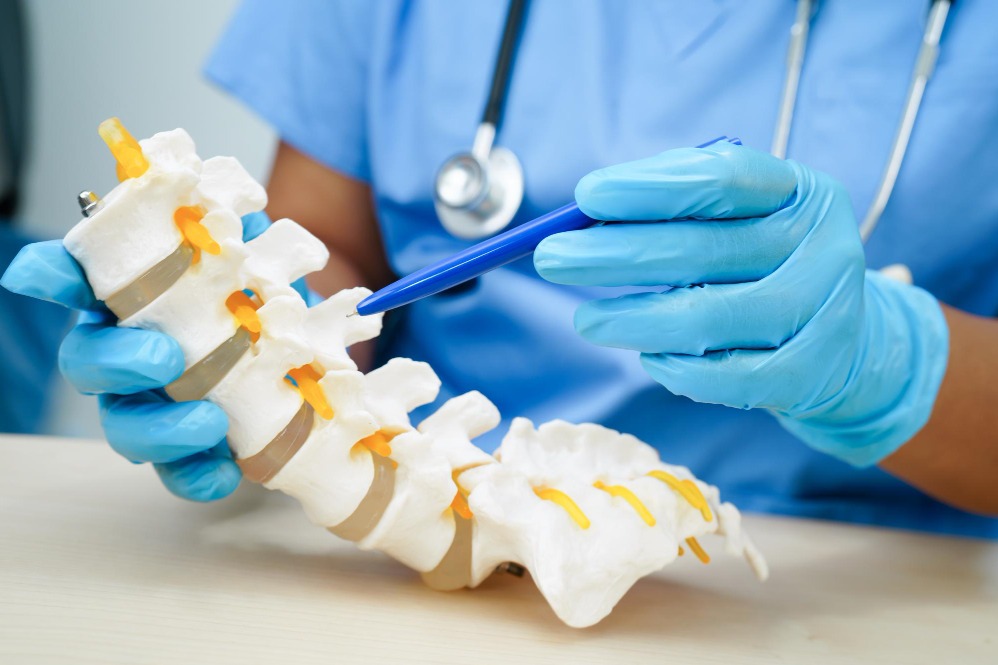
For spine surgery, understand which structure is causing the problem.
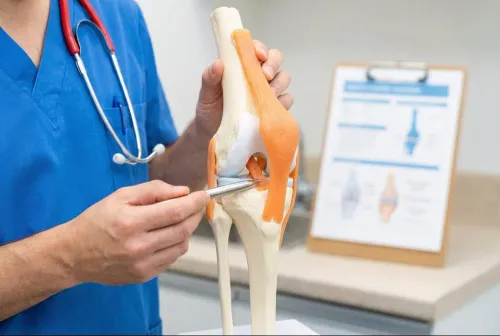
For joint replacement, understand the degree of joint damage and why replacement is being considered.
Understand the Purpose
Ask what the operation is expected to improve.
Possible objectives may include reducing joint pain, improving mobility, relieving nerve compression, restoring stability, or addressing structural damage.
No procedure should be viewed as a guarantee of perfect function.
Individual outcomes and recovery timelines vary.
Review Non-Surgical Treatment
For elective procedures, ask whether appropriate conservative options have already been considered.
These might include medication, physiotherapy, activity modification, exercise, weight management, or other condition-specific approaches.
Some conditions require surgery despite conservative care, while others can continue to be managed without an operation.
Prepare Your Medical Information
Bring an accurate list of:
- Current medicines
- Previous operations
- Allergies
- Existing medical conditions
- Relevant scans
- Previous treatment records
- Recent investigations
Do not discontinue medication without medical instructions.
Plan for Rehabilitation
Recovery should be discussed before the procedure.
Ask when movement is expected to begin, whether a walking aid may be required, how physiotherapy will be organised, when follow-up appointments occur, and approximately when common activities can be resumed.
People travelling from different parts of Navi Mumbai to Kharghar should also consider transport arrangements during early recovery.
Prepare the Home
For joint replacement patients in particular, simple home modifications can make early recovery easier.
Remove obvious trip hazards, organise frequently used items at convenient heights, prepare suitable seating, and arrange assistance if necessary.
Stair access should be discussed when it is likely to affect discharge planning.
Organise Work Responsibilities
Patients working in Mumbai or elsewhere across Maharashtra often want a fixed return-to-work date.
Recovery varies according to the operation and the physical demands of the job.
Office work, prolonged commuting, heavy manual work, and jobs involving extensive standing may have different timelines.
Discuss your occupation specifically with the treating team.
Know the Follow-Up Plan
Before surgery, understand whom to contact if unexpected symptoms develop after discharge.
You should also know when wound review, imaging, rehabilitation assessment, or other follow-up is expected.
Dr. Atul Patil Orthopedic Surgeon provides evaluation for spine and joint replacement procedures in Kharghar, Navi Mumbai. Surgical readiness is assessed according to the condition, overall health, investigations, and individual treatment requirements.
Patients are better prepared when they understand not only what happens inside the operating theatre but also what happens before admission and throughout rehabilitation.
Preparation turns surgery from a single event into a structured recovery pathway.
Keywords