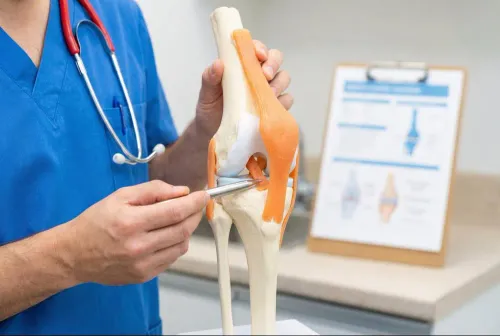
Joint pain is often dismissed as a normal part of aging, but persistent pain, stiffness, and swelling may indicate arthritis. This condition affects millions of people worldwide and can gradually limit movement, independence, and overall quality of life if left untreated.
The good news is that advances in orthopedic care have made arthritis treatment more effective than ever. Early diagnosis, combined with the right treatment plan, helps many people remain active and comfortable for years.
What Is Arthritis?
Arthritis is not a single disease but a group of conditions that cause inflammation and damage within the joints. It can affect people of different ages, although the risk increases as people grow older.
Commonly affected joints include:
- Knees
- Hips
- Shoulders
- Hands
- Spine
- Ankles
The severity varies from mild discomfort to significant joint damage that interferes with daily activities.
Common Types of Arthritis
Osteoarthritis
This is the most common form of arthritis. It develops when the protective cartilage covering the joints gradually wears away.
Typical symptoms include:
- Joint stiffness
- Pain during movement
- Reduced flexibility
- Swelling
- Grinding sensation inside the joint
Rheumatoid Arthritis
An autoimmune condition where the body's immune system attacks healthy joint tissues.
Symptoms often include:
- Pain in multiple joints
- Morning stiffness lasting over an hour
- Fatigue
- Joint swelling
- Warmth around affected joints
Post-Traumatic Arthritis
This type develops after fractures, ligament injuries, or other joint trauma.
Even injuries that occurred years earlier may eventually lead to arthritis.
Gout
Caused by excess uric acid crystals accumulating in joints.
Symptoms include:
- Sudden severe pain
- Redness
- Swelling
- Tenderness
Early Warning Signs
Many arthritis patients ignore early symptoms until daily activities become difficult.
Watch for:
- Morning stiffness
- Pain after walking
- Swollen joints
- Clicking sounds
- Difficulty climbing stairs
- Reduced grip strength
- Persistent knee discomfort
- Limited range of motion
Prompt evaluation helps slow disease progression.
Who Is at Higher Risk?
Several factors increase the likelihood of developing arthritis.
These include:
- Increasing age
- Obesity
- Previous joint injuries
- Family history
- Sedentary lifestyle
- Repetitive physical work
- Sports-related injuries
People in Navi Mumbai working long office hours or physically demanding jobs may develop joint issues earlier than expected due to occupational stress and lifestyle factors.
How Arthritis Is Diagnosed
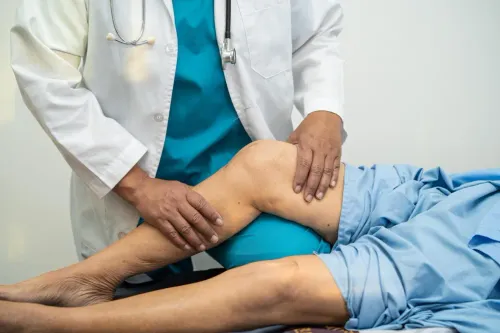
Orthopedic specialists evaluate both symptoms and joint function before recommending treatment.
Diagnosis may involve:
- Clinical examination
- Joint movement assessment
- X-rays
- Blood investigations
- MRI scans when necessary
An accurate diagnosis is essential because treatment differs depending on the type of arthritis.
Treatment Options
Most patients do not require surgery immediately. Treatment is usually planned in stages.
Lifestyle Changes
Weight management and regular exercise reduce pressure on weight-bearing joints.
Physiotherapy
Strengthening surrounding muscles improves joint stability and mobility.
Medication
Doctors may prescribe medications to reduce inflammation and relieve pain.
Joint Injections
Some patients benefit from injections that provide temporary pain relief and improve function.
Advanced Surgical Options
When arthritis causes severe joint damage and conservative treatment no longer provides relief, procedures such as joint replacement may restore mobility and significantly improve quality of life.
Daily Tips for Managing Arthritis
Living with arthritis becomes easier by adopting healthy habits.
Helpful strategies include:
- Stay physically active.
- Choose low-impact exercises.
- Maintain an ideal body weight.
- Avoid prolonged inactivity.
- Wear supportive footwear.
- Follow prescribed exercise routines.
- Eat a balanced diet rich in calcium and vitamin D.
- Avoid smoking.
Consistency plays a major role in managing symptoms effectively.
When Is It Time to Consult an Orthopedic Surgeon?
You should seek medical evaluation if:
- Joint pain lasts several weeks.
- Swelling becomes frequent.
- Walking becomes difficult.
- Daily activities are affected.
- Pain disturbs your sleep.
- Home remedies no longer help.
Residents throughout Navi Mumbai often seek specialized orthopedic care when persistent joint pain begins affecting work, mobility, or overall quality of life. Dr. Atul Patil Orthopedic Surgeon offers comprehensive arthritis evaluation and personalized treatment plans based on the patient's condition, age, activity level, and long-term goals. Early intervention can reduce pain, preserve joint function, and help individuals continue enjoying an active lifestyle.
Keywords