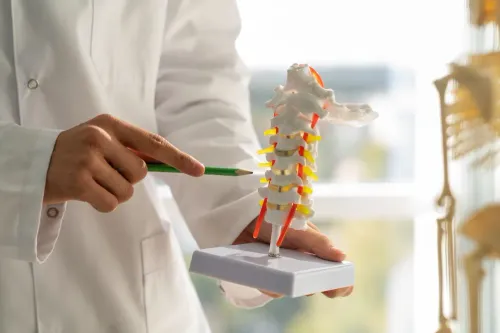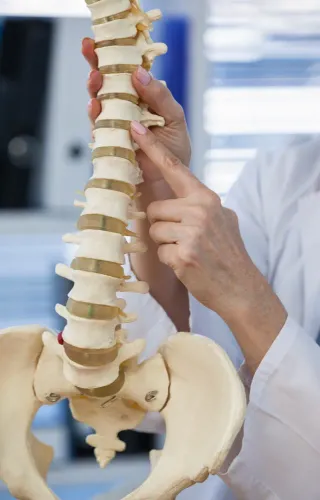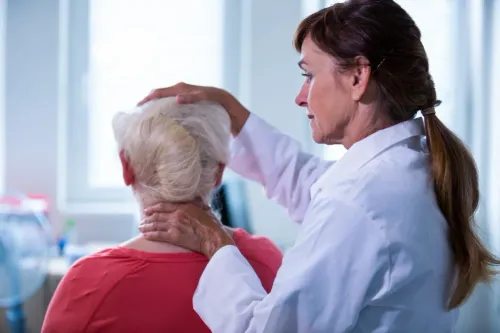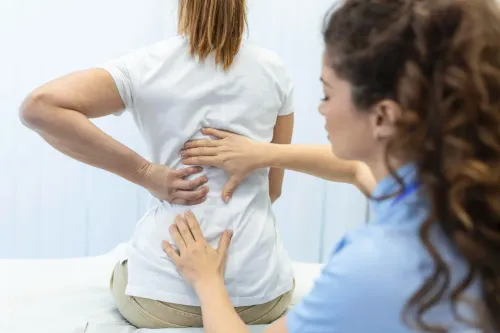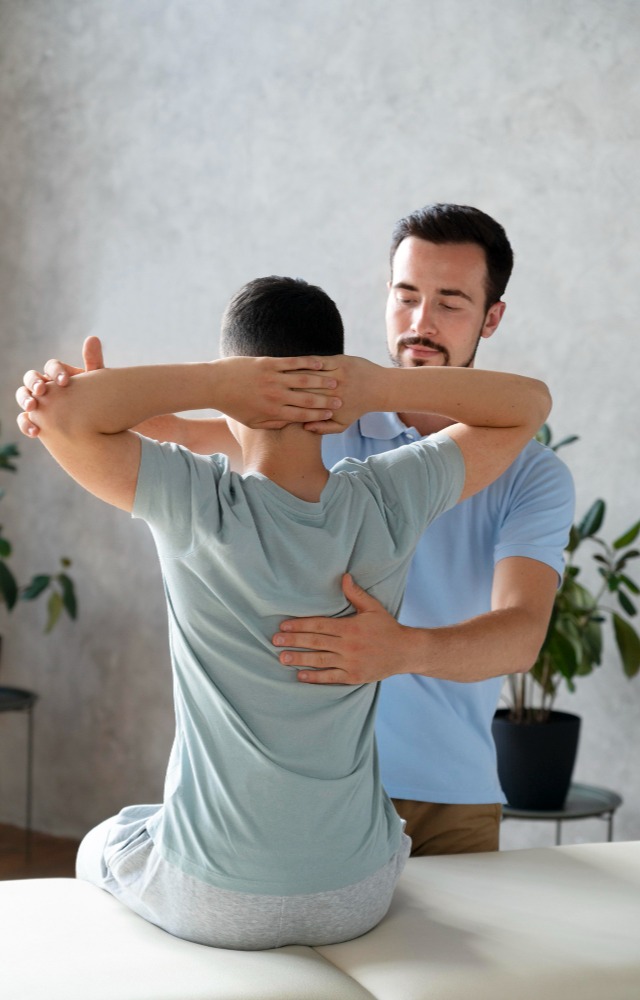
A Physiotherapist can play an important role in restoring movement, strength, balance, flexibility, and physical function after many orthopedic problems. Physiotherapy may be used for certain non-surgical conditions as well as during rehabilitation following selected orthopedic procedures.
However, rehabilitation works best when it is based on an appropriate diagnosis rather than treating every painful condition with the same exercises.
Why Diagnosis Matters Before Exercise
Pain can arise from muscles, joints, tendons, ligaments, bones, nerves, or combinations of these structures.
An exercise that benefits one condition might be unsuitable during another stage of injury.
For example, rehabilitation after a ligament injury requires consideration of stability and tissue healing. Exercise following fracture treatment must respect bone healing. Rehabilitation after joint replacement follows a planned progression based on the procedure and the patient's recovery.
This is why orthopedic assessment and physiotherapy frequently complement each other.
What Can Physiotherapy Focus On?
The exact rehabilitation programme depends on the diagnosis.
Common objectives include:
- Improving joint mobility
- Restoring muscle strength
- Increasing flexibility
- Improving balance
- Correcting movement patterns
- Supporting safe walking
- Improving posture
- Reducing stiffness
- Restoring functional independence
- Supporting return to work or sport
A programme may change considerably as recovery progresses.
Rehabilitation After Surgery
Physiotherapy can be particularly important following procedures such as knee replacement, hip replacement, ligament reconstruction, fracture fixation, or selected arthroscopic surgeries.
Early rehabilitation may concentrate on safe movement, swelling management, joint mobility, and basic muscle activation.
Later stages can progressively focus on strength, endurance, balance, functional movement, and return to normal activities.
Recovery should be progressive rather than rushed.
Patients in Kharghar and Navi Mumbai may be eager to resume commuting, work, driving, exercise, or household activities quickly. The appropriate timeline, however, depends on the procedure and individual healing.
Physiotherapy Without Surgery
Not every patient receiving physiotherapy has undergone an operation.
Conservative rehabilitation can be useful for selected cases of mechanical back pain, joint stiffness, sports injuries, muscle weakness, postural problems, frozen shoulder, and other musculoskeletal conditions.
The important point is that the rehabilitation programme should correspond to the actual problem.
Persistent symptoms despite appropriate physiotherapy may justify reassessment to determine whether the diagnosis needs reconsideration or further investigation is required.
Communication Supports Better Recovery
Good orthopedic rehabilitation is not simply a collection of exercises downloaded from the internet.
The patient, treating doctor, and physiotherapist may need to work toward common functional goals. Progress can then be evaluated according to pain, movement, strength, stability, walking ability, and everyday function.
Dr. Atul Patil Orthopedic Surgeon treats orthopedic, spine, joint, and injury-related conditions for patients in Kharghar and Navi Mumbai. When physiotherapy forms part of the management plan, its purpose should be connected to the diagnosis and stage of recovery.
Across Maharashtra's increasingly active urban population, rehabilitation has an important role in helping people return safely to work, exercise, sport, and independent daily activity. The most useful programme is therefore not necessarily the most intensive one. It is the programme appropriate for the patient's condition at that particular stage of recovery.
Keywords