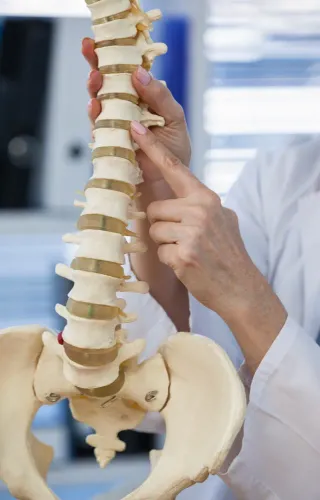
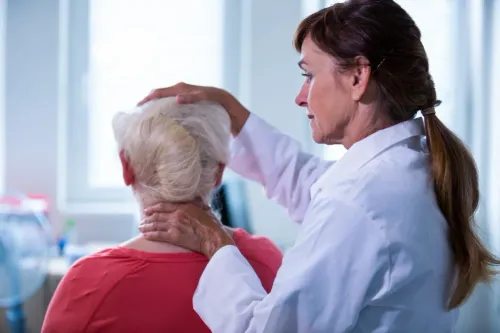
Bones, joints, muscles, ligaments, and tendons work together to help us perform everyday activities such as walking, climbing stairs, lifting objects, and exercising. When any part of this complex musculoskeletal system is affected, even routine movements can become painful and difficult.
Orthopedic problems are becoming increasingly common among people of all age groups. Sedentary lifestyles, aging, obesity, workplace habits, sports injuries, and accidents have all contributed to a growing number of orthopedic conditions in Navi Mumbai and across Maharashtra.
Understanding the most common orthopedic problems can help you recognize symptoms early and receive appropriate treatment before complications develop.
What Are Orthopedic Problems?
Orthopedic problems refer to conditions affecting the body's bones, joints, muscles, ligaments, tendons, and spine. Some conditions develop gradually over time, while others occur suddenly due to injuries or trauma.
Early diagnosis often leads to faster recovery and reduces the likelihood of long-term disability.
Most Common Orthopedic Conditions
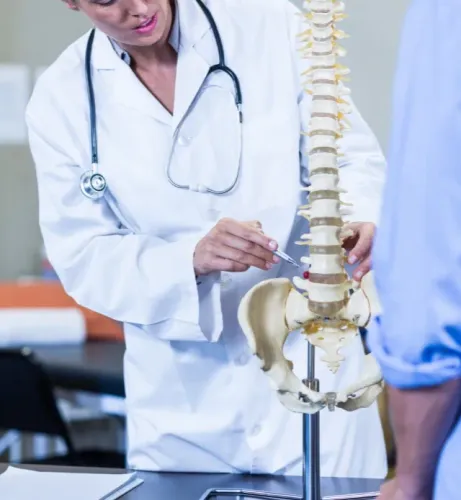
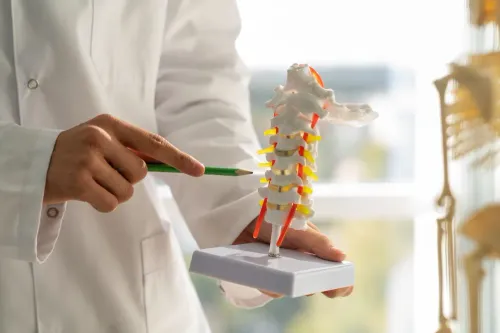
Back and Neck Pain
Poor posture, prolonged sitting, heavy lifting, and spinal degeneration frequently cause chronic neck and back pain.
Common symptoms include:
- Stiffness
- Muscle spasms
- Pain radiating to the arms or legs
- Reduced flexibility
Arthritis
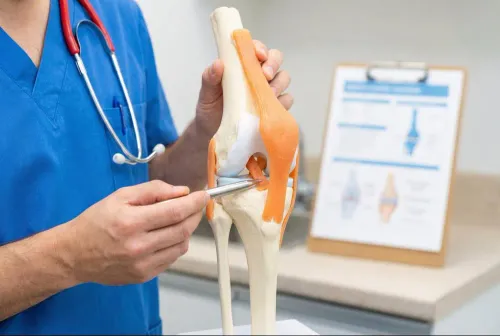
Joint cartilage gradually wears down, leading to pain, swelling, and stiffness. Knees, hips, hands, and shoulders are commonly affected.
Sports Injuries
Athletes and active individuals often experience:
- Ligament tears
- Muscle strains
- Tendon injuries
- Meniscus injuries
- Shoulder instability
Fractures
Falls, road accidents, and sports injuries may result in broken bones requiring immediate orthopedic care.
Tendinitis
Repeated movements can inflame tendons, causing pain around the shoulder, elbow, knee, or ankle.
Shoulder Disorders
Frozen shoulder, rotator cuff injuries, and shoulder arthritis often reduce movement and make overhead activities difficult.
Why Do Orthopedic Problems Develop?
Several lifestyle and medical factors increase the risk.
These include:
- Aging
- Poor posture
- Obesity
- Lack of exercise
- Repetitive work
- Sports participation
- Nutritional deficiencies
- Previous injuries
- Osteoporosis
Many orthopedic conditions develop gradually, making early lifestyle changes especially important.
Symptoms That Require Medical Attention
While mild aches may improve with rest, some symptoms should never be ignored.
Seek evaluation if you notice:
- Persistent joint pain
- Swelling
- Difficulty walking
- Reduced joint movement
- Bone deformity
- Numbness
- Weakness
- Pain lasting more than two weeks
- Difficulty performing routine tasks
Ignoring these symptoms may lead to worsening joint damage or delayed healing.
How Orthopedic Conditions Are Diagnosed
Accurate diagnosis involves more than identifying where the pain occurs.
An orthopedic evaluation may include:
- Medical history
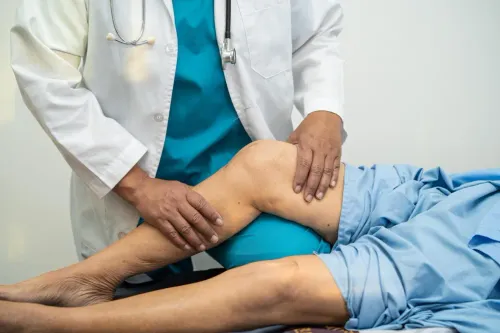
- Physical examination
- Joint function assessment
- X-rays
- MRI scans
- CT scans
- Laboratory investigations when necessary
This comprehensive approach helps identify the underlying cause rather than simply treating symptoms.
Treatment Options
Orthopedic treatment varies depending on the condition, severity, and the patient's lifestyle.
Common approaches include:
Conservative Care
Many conditions respond well to:
- Physiotherapy
- Medication
- Lifestyle modifications
- Weight management
- Activity modification
Minimally Invasive Procedures
Some joint and ligament injuries can be treated using arthroscopic techniques, which involve smaller incisions and generally support quicker recovery.
Joint Replacement Surgery
Advanced arthritis affecting the hip, knee, or shoulder may require joint replacement to restore movement and relieve pain.
Trauma Care
Fractures and accident-related injuries often need prompt surgical or non-surgical treatment to ensure proper healing.
Maintaining Healthy Bones and Joints
Good orthopedic health starts with everyday habits.
You can reduce your risk by:
- Exercising regularly
- Maintaining a healthy weight
- Following a calcium-rich diet
- Improving workplace ergonomics
- Using proper lifting techniques
- Wearing supportive footwear
- Avoiding smoking
- Staying physically active
These simple steps can help preserve joint function and reduce the likelihood of future orthopedic problems.
People across Navi Mumbai are becoming more proactive about seeking orthopedic care before pain begins affecting their work, mobility, or daily routines. Dr. Atul Patil Orthopedic Surgeon offers comprehensive evaluation and treatment for a wide range of orthopedic conditions, focusing on personalized care that supports long-term recovery, improved movement, and a better quality of life.
Keywords