Pain in the knees, shoulders, hips, back, neck, or other parts of the musculoskeletal system is common, but persistent symptoms should not automatically be dismissed as part of ageing or physical strain. An Orthopedic Specialist evaluates how bones, joints, muscles, ligaments, tendons, nerves, and movement patterns may be contributing to discomfort.
For patients in Kharghar and Navi Mumbai, knowing when to seek an orthopedic assessment can help prevent a manageable problem from becoming more restrictive.
When Does Pain Need Medical Evaluation?
Temporary soreness after unusual physical activity may improve with rest. Persistent pain deserves closer attention, particularly when it interferes with walking, working, exercising, sleeping, or performing routine activities.
An orthopedic evaluation may be appropriate when you experience:
- Joint pain lasting several weeks
- Persistent back or neck discomfort
- Swelling around a joint
- Reduced range of movement
- Difficulty climbing stairs
- Pain after a fall or accident
- Recurrent sports injuries
- Limb weakness
- Joint instability
- Increasing stiffness after rest
Sudden severe pain, major trauma, visible deformity, inability to bear weight, or neurological symptoms may require more urgent assessment.
Diagnosis Comes Before Treatment
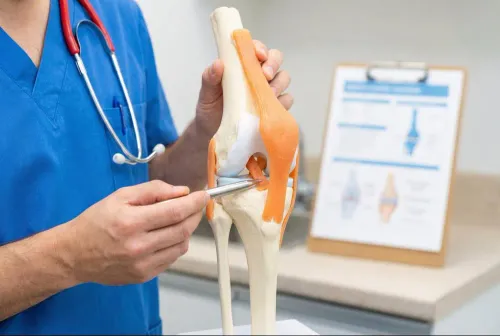
Similar symptoms can develop for very different reasons. Knee pain, for example, might arise from arthritis, ligament injury, meniscus damage, tendon problems, previous trauma, or altered biomechanics.
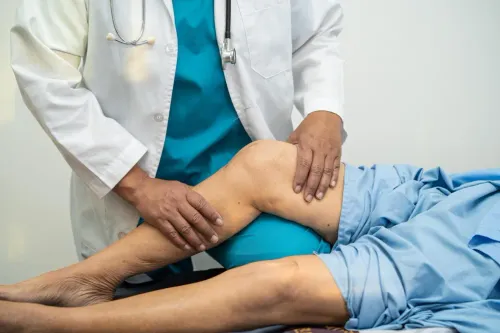
An orthopedic specialist generally begins with the history of the problem and a physical examination. The assessment may look at tenderness, swelling, strength, joint stability, range of motion, posture, gait, and neurological findings.
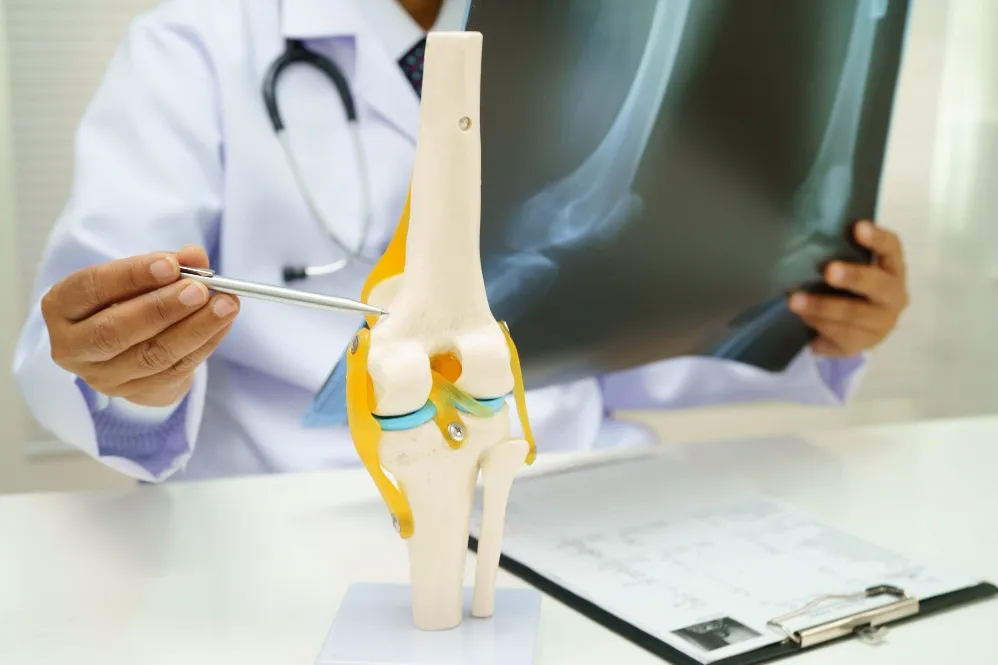
Depending on the suspected condition, investigations such as X-rays, MRI scans, CT scans, blood tests, or other diagnostic studies may be recommended.
The objective is not simply to identify where it hurts. It is to understand what is producing the symptoms.
Surgery Is Not Always the First Step
A consultation with an orthopedic surgeon does not automatically mean surgery will be recommended.
Many musculoskeletal problems can initially be managed through conservative approaches. Depending on the diagnosis, these may include medication, activity modification, physiotherapy, structured exercises, weight management, posture changes, braces, or selected injections.
Surgery becomes relevant when the underlying condition requires it or when appropriate non-surgical treatment has failed to provide adequate improvement.
Why Early Assessment Can Matter
Continuing to compensate for painful movement can sometimes create additional problems. Someone with knee pain may begin walking differently, potentially placing greater stress on the opposite leg, hip, or back.
Similarly, recurrent shoulder instability or repeated ankle injuries can interfere with normal activity if the underlying problem remains unidentified.
Patients across Kharghar, Navi Mumbai, and surrounding areas of Maharashtra can benefit from seeking assessment when symptoms persist instead of repeatedly relying on temporary pain relief.
Dr. Atul Patil Orthopedic Surgeon provides evaluation for orthopedic conditions involving joints, the spine, injuries, fractures, and mobility problems. The appropriate treatment pathway depends on the diagnosis, severity of the condition, general health, and individual functional goals.
Understanding the cause of pain is usually the most useful first step toward deciding what should happen next.
Keywords