Back pain is one of the most common health concerns affecting people of all age groups. Whether it develops gradually from long hours at a desk or appears suddenly after lifting something heavy, spine-related problems can significantly affect everyday life. Ignoring persistent discomfort may allow minor issues to develop into more serious conditions that require extensive treatment.
People in Navi Mumbai are increasingly leading busy lifestyles that often involve prolonged sitting, limited physical activity, and poor posture. These habits contribute to a growing number of spinal disorders among working professionals, senior citizens, and even young adults.
What Are Spine Problems?
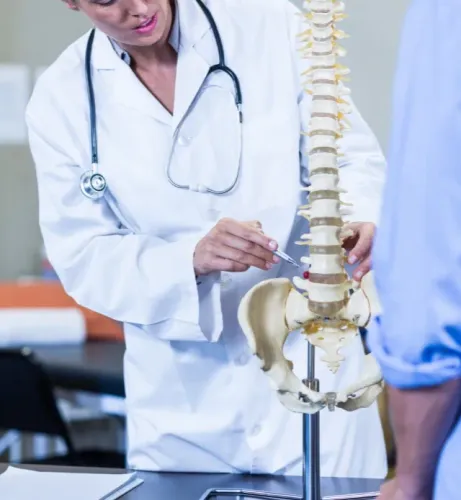
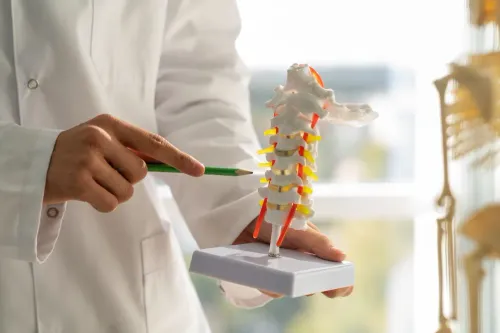
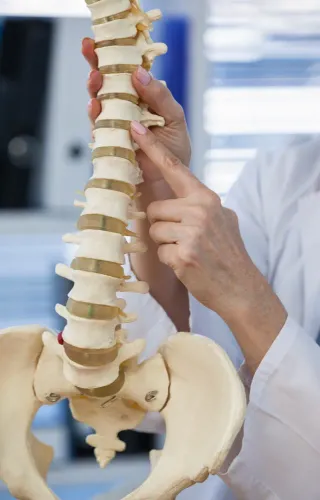
The spine is made up of vertebrae, discs, joints, ligaments, muscles, and nerves that work together to support body movement. When any of these structures become damaged or inflamed, it can result in pain, stiffness, or restricted mobility.
Some of the most common spine conditions include:
- Herniated or slipped disc
- Degenerative disc disease
- Sciatica
- Spinal stenosis
- Cervical spondylosis
- Lumbar spondylosis
- Scoliosis
- Chronic lower back pain
Each condition requires accurate diagnosis because symptoms often overlap.
Common Symptoms That Should Not Be Ignored
While occasional back pain may resolve with rest, persistent symptoms deserve medical attention.
Watch for signs such as:
- Continuous neck or lower back pain
- Pain radiating into the arms or legs
- Tingling or numbness
- Muscle weakness
- Difficulty walking or standing
- Loss of flexibility
- Pain that worsens at night
- Difficulty performing daily activities
Early diagnosis often helps prevent long-term complications.
What Causes Spine Problems?
Several factors can contribute to spinal disorders.
Poor Posture
Working long hours on computers without proper ergonomic support places excessive strain on the spine.
Aging
Natural wear and tear can lead to degeneration of discs and joints over time.
Sports Injuries
High-impact activities can damage spinal structures if proper techniques are not followed.
Heavy Lifting
Incorrect lifting methods frequently cause disc injuries and muscle strain.
Obesity
Excess body weight increases pressure on the lower back and spinal joints.
Sedentary Lifestyle
Weak core muscles provide less support to the spine, making injuries more likely.
How Doctors Diagnose Spine Conditions
A detailed clinical evaluation is essential before recommending treatment.
Diagnosis may include:
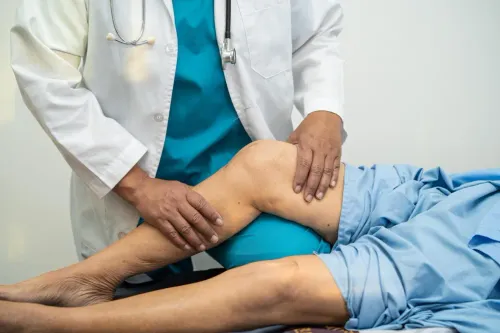
- Physical examination
- Medical history review
- Neurological assessment
- X-rays
- MRI scans
- CT scans when necessary
Identifying the exact cause allows doctors to recommend the most appropriate treatment instead of simply managing pain.
Treatment Options for Spine Problems
Modern spine care focuses on preserving movement while reducing pain.
Treatment depends on the severity of the condition and may include:
Lifestyle Modification
Simple adjustments in posture, weight management, and workplace ergonomics often improve symptoms.
Physiotherapy
Customized exercises strengthen muscles supporting the spine while improving flexibility.
Medication
Pain relievers and anti-inflammatory medicines may help reduce discomfort during recovery.
Image-Guided Injections
Certain patients benefit from targeted injections that reduce inflammation around affected nerves.
Spine Decompression
Non-surgical or surgical decompression may be considered when nerve compression causes persistent pain or weakness.
Surgery
Only selected cases involving severe nerve compression, instability, or failed conservative treatment require surgery.
Everyday Habits That Protect Your Spine
Healthy daily habits reduce the risk of developing chronic spinal disorders.
Consider these practical tips:
- Maintain correct sitting posture.
- Avoid sitting continuously for several hours.
- Exercise regularly.
- Strengthen your core muscles.
- Lift heavy objects correctly.
- Sleep on a supportive mattress.
- Maintain a healthy body weight.
- Stretch before physical activity.
Small lifestyle improvements often have a significant impact on spinal health.
When Should You See an Orthopedic Specialist?
Many people delay treatment until pain becomes unbearable. However, early consultation is recommended if symptoms continue for more than two weeks or interfere with daily life.
Seek medical evaluation immediately if you experience:
- Progressive numbness
- Difficulty walking
- Loss of bladder or bowel control
- Severe pain after an accident
- Sudden weakness in the limbs
These symptoms may indicate serious spinal conditions requiring urgent care.
Residents across Navi Mumbai and other parts of Maharashtra increasingly seek specialized orthopedic evaluation to identify spine disorders before they progress. Dr. Atul Patil Orthopedic Surgeon provides comprehensive assessment and evidence-based spine care tailored to each patient's condition. Early diagnosis, appropriate treatment, and guided rehabilitation can help individuals return to their normal routine with improved comfort and mobility while reducing the likelihood of future complications.
Keywords